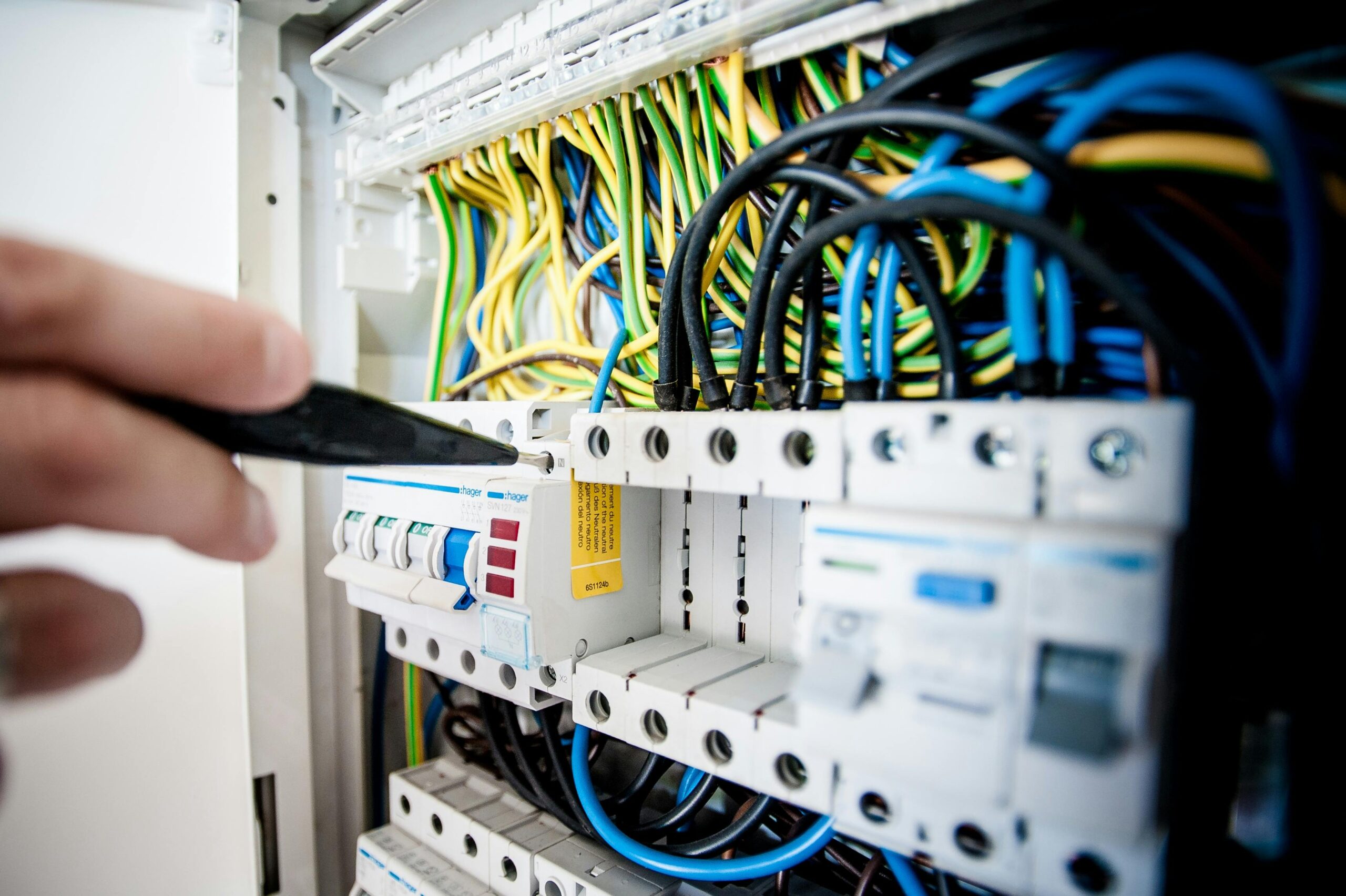
Circuit breakers are an essential safety feature of a home’s electrical system. They are designed to protect your home and its occupants from electrical hazards. However, if your circuit breaker continues to trip, it can become frustrating and potentially dangerous.
Several issues can cause a circuit breaker to trip repeatedly, including overloaded circuits, damaged wiring, and ground faults. In this article, we will explore some common causes of a circuit breaker tripping after a reset and what can be done to resolve the problem.
Common reasons why a circuit breaker keeps tripping
If you are dealing with a circuit breaker that trips frequently, it can be highly frustrating, especially when it happens unexpectedly. Many people simply reset the breaker and continue using it until it trips again.
Circuit breakers are designed to protect your home from electrical hazards. However, repeated tripping usually indicates an underlying issue that needs professional attention. While it is always recommended to contact a licensed electrician, understanding the possible causes can help you identify the problem sooner.
Faulty circuit breaker
In some cases, a circuit breaker may continue to trip because the breaker itself is faulty.
A circuit breaker automatically shuts off power when it detects a short circuit, ground fault, electrical overload, or other electrical issue. However, a damaged breaker may trip even when no actual electrical fault exists. This is often referred to as “nuisance tripping”.
Issues such as under-voltage, inrush currents, poor breaker coordination, or ground fault leakage currents can contribute to nuisance tripping.
A faulty circuit breaker can also become dangerous because it may fail to trip when there is a genuine electrical problem.
Short circuit
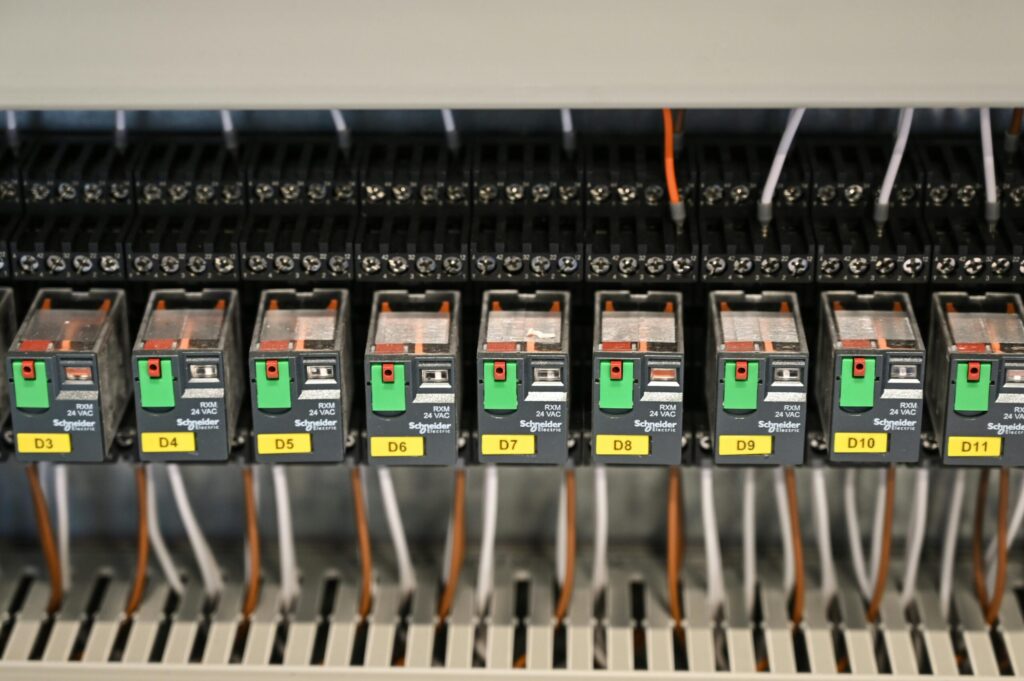
A short circuit is one of the most common reasons a circuit breaker trips repeatedly. It occurs when a hot wire touches a neutral wire, causing a sudden surge of electrical current.
In a normal electrical circuit, electricity flows from the electrical panel to an appliance, light, or other electrical load through the hot wire. The current then returns to the panel through the neutral wire.
When these wires come into contact unexpectedly, the surge can trip the breaker to prevent overheating or electrical fires.
Ground fault
A ground fault occurs when electrical current escapes the normal circuit path and flows into the ground.
When this happens, the current can exceed the circuit’s safe capacity, causing the breaker to trip. This helps prevent overheating, electric shock, and potential fires.
Circuit breakers are specifically designed to detect these hazards and shut off power before serious damage occurs.
Staying safe
Electricity can be dangerous, so it is important to follow these safety tips:
- Always turn off power at the breaker before inspecting wires or outlets
- Avoid touching wiring or using electrical tools unless you know what you are doing
- Never attempt repairs if you feel unsure or unsafe
When to call an electrician
It is best to contact a licensed electrician immediately if:
- The same breaker continues tripping even after unplugging all appliances
- You notice damaged outlets or wires
- You smell burning or hear unusual noises from the breaker box
- The breaker will not reset or stay switched on
An electrician can inspect your electrical system, repair damaged components, and ensure everything is operating safely and correctly.
Final thoughts
A constantly tripping circuit breaker should never be ignored. While some issues may be minor, repeated tripping can also indicate serious electrical faults that pose a risk to your home and family. Addressing the issue early can help prevent costly damage and improve the overall reliability of your electrical system.